

2 Soi 1, Nawatgate Road, Tambon Watgate, Muang Chiang Mai 50000, Thailand
T. +66 (0)53 247 788 I WEBSITE
Set against a backdrop of emerald-green mountains and shaped by centuries of history, Chiang Mai is a city where tradition and modernity meet with rare ease. Once the heart of the Lanna Kingdom, the so-called «Rose of the North» continues to captivate travellers from across the world. It is also the capital of the province that bears its name.
With its vividly decorated temples, animated night markets and atmosphere that feels at once relaxed and alive, Chiang Mai has become an essential stop on many a traveller’s itinerary. Just ninety minutes by air from Bangkok, the city is served by frequent flights from the capital as well as from other parts of Thailand, making it both accessible and wonderfully removed from the intensity of the south.
In the early morning, monks in saffron robes, known as «kesa», move quietly through the streets as the air carries an intoxicating blend of fresh jasmine and richly spiced street food. This is the heart of a city steeped in history, yet one that is constantly reinventing itself.
From intricately carved temples and inviting cafés to stylish bistros, bars and restaurants, Chiang Mai offers an absorbing mix of old and new. Its thriving artistic community adds another layer to the city’s character, while its vibrant night markets provide a sensory theatre of colour, scent and movement. It is a destination not simply to be visited, but to be discovered, experienced and felt.
Only a few steps from the bustle of the market lanes, the banks of the Mae Nam Ping reveal a gentler side of the city. Here, restaurants and bars, both intimate and expansive, line the water and come into their own after dusk, when soft lighting and the river’s reflections create an atmosphere made for lingering.
There are moments when the setting feels almost European. Dining beside the Mae Nam Ping, one might be reminded of an evening on the Seine, with boats drifting past in the distance. Yet the fragrance of freshly prepared Thai dishes quickly restores a vivid sense of place.
Chiang Mai is a city of contrasts. For all its activity, it possesses an underlying calm that feels deeply restorative. After Bangkok, a stay here can feel almost like an escape to the countryside. The air is clearer, the skyline greener, and beyond the rooftops rise wooded hills touched with the unmistakable romance of the north.
As we continue to explore this singular destination, our base is an equally remarkable address. Tucked into the quiet residential quarter of Wat Gate, just a short walk from the river and surrounded by galleries and small cafés, 137 Pillars House is a charming hideaway with a storied past, a discreet sense of exclusivity and a character entirely its own.
We wish you a most enjoyable stay.
Warmest regards,
Yours,
Martin V. Sampedrano Gonzalez
Editor


137 Pillars House Chiang Mai
The estate has a rich and eventful history stretching back to the colonial era. Once the Chiang Mai headquarters of the British trading firm The Borneo Company, it has since been transformed into an intimate all-suite boutique hotel for discerning travellers seeking tranquillity, character and a genuine sense of place.
Warmth, thoughtful attention and privacy define the experience. Service is gracious rather than formal, discreet rather than distant—creating the feeling of staying not simply in a hotel, but in a beautifully restored private residence with a story of its own.


Our stay begins at Chiang Mai International Airport. Shortly after landing, we are met by a member of the hotel team and escorted to a waiting BMW saloon, which will carry us to our home for the days ahead.
The drive takes barely half an hour, though the city’s dense traffic allows for a first glimpse of Chiang Mai’s many landmarks, hidden corners and neighbourhoods—places that will reveal themselves more fully over the course of our stay. Eventually, in the quiet enclave of Wat Gate, whitewashed walls come into view, discreetly marked with the name 137 Pillars House. We have arrived.
From that moment, time seems to loosen its grip. The noise and urgency of the airport and surrounding streets fall away almost instantly, replaced by a profound sense of calm. Within the walls of the estate, life moves at a gentler pace—quiet, unhurried and deeply restorative.


Welcomed by gracious hosts, we pass through the elegant entrance gates and step into what feels like a private oasis in the heart of the city. The reception of this intimate, 30-suite retreat is conceived as an open-sided pavilion, freestanding and quietly theatrical in its simplicity.
Crafted from fine timber, the structure is defined by soaring ceilings, slowly turning fans and an ingenious display of suspended drawers used as decorative elements above. Surrounded by water, the arrival pavilion has the air of a serene stage set, where even the check-in unfolds with a sense of ceremony.
Once the formalities are complete, our personal butler leads us on a tour of the estate. We move through lush, intensely green gardens, alive with tropical foliage and flowers, as the hotel’s graceful buildings reveal themselves one by one around the historic centrepiece of the property: the original teak house, raised upon the 137 pillars from which the hotel takes its name.
Within it lies the elegant Parlour, a room rich in texture and memory. Ornately carved wooden ceilings, rugs embroidered with intricate motifs and fine, partly antique furnishings upholstered in turquoise fabrics create an atmosphere of refined colonial charm. Historic vases, mirrors, paintings and lamps complete the scene, each detail contributing to a space that feels both carefully preserved and deeply lived in.


The Parlour is the kind of room that seems designed for the art of lingering. Guests settle into its graceful embrace with a pot of fragrant tea, conversation drifting as easily as the gaze towards the gardens beyond. There is no pressure to move on. Instead, the room encourages a slower rhythm—one measured in refilled cups, softened voices and the shifting tropical light.
Next door, Jack Bain’s Bar feels altogether moodier. Named after the son of William Bain, a former manager of The Borneo Company and later one of the custodians of the celebrated teak house, it carries its history lightly. Timber-lined walls and ceilings lend the room the intimacy of a private club, while portraits of former owners watch over proceedings with a certain patrician calm. This is the place for a properly made cocktail, a measured pour of something rare and an evening that begins with no particular intention of ending early.
Across the way, Palette brings a more polished sense of occasion. The fine-dining restaurant is intimate, composed and quietly assured, with a menu that moves between the flavours of northern Thailand and refined Western classics. The cooking is elegant without becoming theatrical, and the service strikes that difficult balance between attentiveness and ease. A table here is worth securing in advance.
Morning belongs to the Dining Room, where breakfast unfolds at a gentler pace. Guests may sit beneath the lofty interiors, recline on the central daybeds or take a table on the terrace overlooking the gardens. The menu spans everything from perfectly prepared eggs and comforting Asian breakfast dishes to delicate pastries and freshly pressed juices. It is less a buffet than a series of small morning temptations—best enjoyed slowly, while the estate is still cool and the day has yet to gather speed.


Beneath the main house, tucked between the very pillars that lend the hotel its name, lies a compact yet impressively equipped fitness room. Sleek Technogym cardio machines bring a note of contemporary polish to the historic setting, while floor-to-ceiling glass offers an unexpected view into the adjoining house museum.
It is an unusual juxtaposition, and a rather captivating one. As guests move through their morning workout, the story of the estate unfolds just beyond the glass in a carefully assembled collection of photographs, letters, family trees, illustrations and archival objects. Together, they trace the evolution of the house from its earliest days to its later life as one of Chiang Mai’s most distinctive hotels—a quiet reminder that at 137 Pillars House, even the most modern rituals are never far removed from the past.


Another of the estate’s defining features is its striking swimming pool—one of those rare spaces that has become genuinely iconic rather than merely *Instagrammable*. Stretching alongside a dramatic living wall that rises several metres into the tropical canopy, the pool is framed by layers of lush planting cascading from beautifully integrated flower boxes, creating an immersive landscape where architecture and nature appear to merge.
At 25 metres in length, the pool is designed as much for leisurely laps as for languid afternoons beneath the northern Thai sun. Elegant loungers and oversized parasols line the water's edge, inviting guests to settle in with a book or simply listen to the gentle rustle of bamboo and birdsong that replaces the sounds of the city beyond the walls.
A discreet pool bar serves freshly prepared juices, tropical cocktails and light refreshments throughout the day, making it all too easy to lose track of time between swims.
Those seeking deeper restoration will find it at the Nitra Serenity Centre, the hotel's intimate wellness sanctuary adjoining the reception pavilion. Inspired by traditional Thai healing philosophies, the spa offers a thoughtfully curated collection of massages and holistic treatments dedicated to relaxation, renewal and inner balance. Much like the hotel itself, luxury here is expressed quietly—not through excess, but through an atmosphere of exceptional calm and deeply personalised care.


Suites with a Story
A stay in one of the 30 suites at 137 Pillars House feels less like checking into a hotel than being invited into a beautifully preserved private residence. Spread across the estate’s various buildings, the suites range from 70 to 135 square metres, each offering a deeply considered blend of historical character, contemporary comfort and the kind of space that encourages guests to slow down.
Our Rajah Brooke Suite belongs to the smallest category, although there is nothing modest about it. At its centre stands a dramatic king-size bed in Hollywood style, framed by four substantial posts and dressed in fine Egyptian cotton. Elegant furnishings, decorative ceiling mouldings, polished parquet floors and especially generous pillows and duvets create an atmosphere that is both opulent and reassuringly calm.
Beyond the main sleeping and living area, sliding doors reveal an expansive dressing room and bathroom. Double basins, a freestanding bath and a separate shower are joined by one of the suite’s most memorable features: a completely private outdoor courtyard with an open-air shower. It is the sort of detail that transforms an already luxurious room into something quietly transporting.
A private terrace, accessed directly from the bedroom, extends the living space still further. Furnished with a daybed, table and rocking chair, it overlooks the gardens and offers a secluded setting for reading in the afternoon or lingering outdoors after dark.
The East Borneo Suite, measuring approximately 75 square metres, accommodates up to three guests, while the 80-square-metre D. F. Macfie Suite offers space for up to four. The William Bain Terrace Suite spans 100 square metres, and the Louis Leonowens Pool Suite, at 135 square metres, is the largest and most indulgent of the collection. Throughout, every detail feels coherent, placing guests within a modern interpretation of gracious historic living rather than a simple recreation of the past.
By evening, small handwritten bedtime stories are placed on the bedside tables—a charming ritual that captures the hotel’s particular talent for making service feel personal without ever becoming intrusive.
That balance defines the experience at 137 Pillars House. The team is attentive yet discreet, warm without overfamiliarity. In addition to the hotel’s wider staff, each guest has access to dedicated butler service, available around the clock to assist with everything from last-minute spa appointments and restaurant reservations to taxis and excursions to Chiang Mai’s temples.
For added ease, guests may remain in contact by WhatsApp, arranging the details of the day from the poolside, the privacy of their suite or while exploring the city. It is luxury in its most contemporary form: intuitive, unobtrusive and always close at hand.


A Lasting Impression
This hotel is one of Chiang Mai’s most beguiling addresses: an intimate, deeply atmospheric retreat with a story rooted in the city’s past and a spirit that feels entirely of the present.
Chiang Mai has no shortage of histories to tell, but few are as evocative as that of the teak house raised on 137 pillars in the quiet Wat Gate quarter. To stay here is to become, however briefly, part of that story. Days unfold at a gentler pace, shaped by long breakfasts, quiet hours in the garden, languid swims beneath the living wall and restorative treatments at the spa.
There is pleasure, too, in the details: accomplished cuisine, expansive suites, thoughtful rituals at turndown and service that is both deeply attentive and almost invisible. The hotel’s hosts have mastered that rarest form of hospitality—warmth without intrusion, elegance without ceremony and luxury without excess.
For discerning travellers who value privacy, space, character and exceptional service, 137 Pillars House offers something increasingly difficult to find: a genuine sense of place. It is polished, certainly, but never impersonal; exclusive, yet quietly welcoming.
This is not simply a hotel to admire. It is a place to inhabit, to remember and, without hesitation, to return to.
137 Pillars House is an experience we would gladly repeat.
For readers wishing to discover more about the remarkable history of the estate and the people who shaped it, the following feature offers a closer look at the story behind the house.
The Story of 137 Pillars House, Chiang Mai*
Many readers will be familiar with the story of «Anna and the King». In 1862, Anna Leonowens, a British schoolteacher, arrived at the royal court of Siam—modern-day Thailand—to teach English to the 58 children of King Mongkut, as well as to members of his extensive royal household.
Among her pupils was the future King Chulalongkorn, who would go on to play a decisive role in opening northern Thailand to international trade. In 1883, he signed the Chiang Mai Treaty, granting foreign companies, including the British Borneo Company, access to the vast teak forests of the north.
Anna’s son, Louis Leonowens, had grown up alongside Chulalongkorn within the royal compound in Bangkok, and their childhood friendship would later prove invaluable—not only to Louis himself, but also to the British trading company with which his name became closely associated.
After serving in the Royal Siamese Army, where he distinguished himself through leadership and courage, Louis was appointed superintendent of the Borneo Company in Chiang Mai. In 1886, he established the company’s office on the banks of the Ping River, placing him at the heart of one of the region’s most important commercial enterprises.
For the first European settlers, Chiang Mai in the 1880s offered opportunity and hardship in equal measure. Months were spent deep in the northern forests, where teak trees were felled and the enormous logs prepared for the long journey along the river systems to Bangkok.
Time back in Chiang Mai provided welcome relief. Life there was more comfortable, and its social world revolved around the Gymkhana Club, where members gathered to play tennis, polo and squash. Louis Leonowens was one of the club’s eleven founding members, helping to shape an institution that would become central to the city’s colonial-era social life.


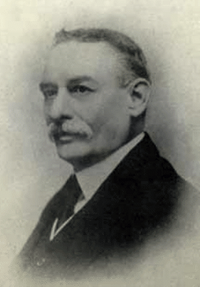

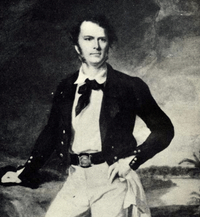


At the time, a royal decree effectively divided Chiang Mai along the Ping River: Thai and Siamese residents lived on the western bank, while foreigners settled to the east. The Borneo Company’s compound comprised three expansive teak houses, each raised on more than 100 pillars, as well as a fourth residence—the house that would become known as 137 Pillars House.
Originally situated on the western bank, the building was moved across the river to the company grounds in a formidable feat of human and animal effort, relying on the strength of fully grown elephants and teams of labourers. Louis Leonowens lived here during his years in Chiang Mai, and from 1927 onwards the house became the residence of successive company managers.
In December 1941, the estate was seized by Japanese forces as an asset of the Borneo Company in Chiang Mai. While many employees managed to escape the city by fleeing towards Burma, William Bain and David Fleming McFie were arrested and taken to Bangkok, where they remained interned for the rest of the war.
In the years following the Second World War, the company returned to northern Thailand but eventually sold its Chiang Mai headquarters to William Bain. A Harrow-educated Scotsman, Bain had travelled to Thailand at the age of 23, leaving behind the expectations of his family. He joined the company and rose through its ranks to become managing director.
He later married a local Mon woman, and together they raised two daughters and two sons. Their son Jack followed in his father’s footsteps, joining the company and establishing his own family home on the estate.
The latest chapter in the long and storied life of the house began in 2002, when Bangkok-born Panida Wongphanlert visited Chiang Mai on holiday and fell in love with the property, then known locally as Baan Dam, or “the Black House”.
“We were captivated by 137 Pillars House from the very first moment,” Wongphanlert later recalled. “Once we discovered the remarkable history of the estate and of the Borneo Company, we knew that our family should share this piece of Thai heritage with the world.”
And so began a new and beautifully considered chapter in the story of 137 Pillars House.
Photography: 137 Pillars House Chiang Mai, Martin V. Sampedrano Gonzalez
With special thanks to: Anne Arrowsmith, Lee Sutton, Dynamic PR, Singapore